
 中文
 عربي
 Français
 Nederlands
 Deutsch
 Italiano
 Português
 Español
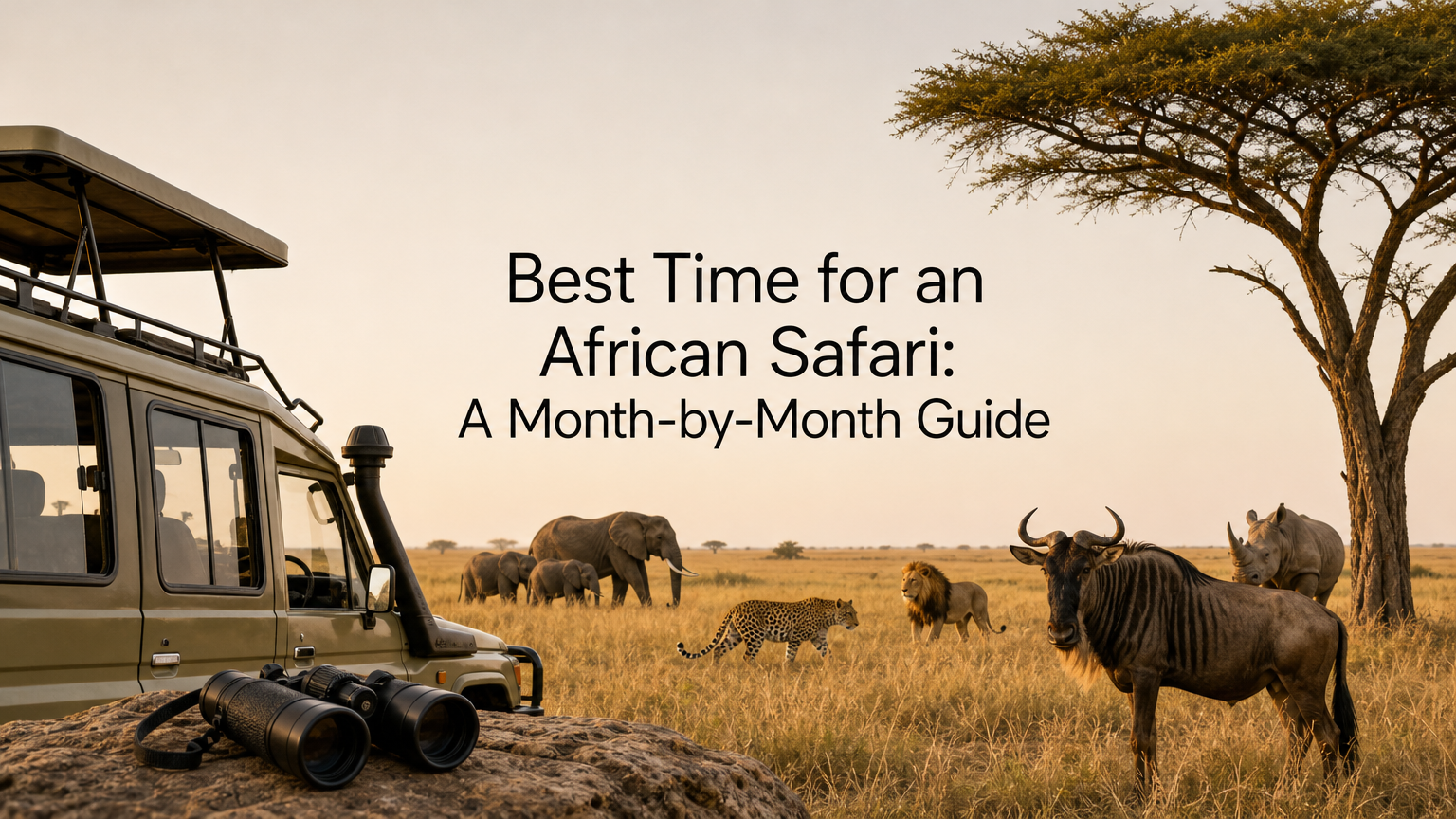
The best time to go on an African safari is the dry season. That means roughly June to October in Kenya and Tanzania, and May to September in southern Africa. Animals gather around shrinking water sources, the grass is short, and the tracks are firm. The Great Migration gives a second answer: the herds are in Kenya's Masai Mara from about July to October, and in the southern Serengeti for calving from December to March.
"Best time" is not one date. It is the month where three things line up: the region you visit, the wildlife you most want to see, and how much you will pay and how many other vehicles you will share a sighting with. The month that suits Mara river crossings may not suit a traveler who wants quiet roads and lower rates.
Extra Miles Unique Adventures has planned private safaris from Nairobi since 2007, so the advice below reflects how seasons play out on the ground in East Africa. This guide covers why timing matters, how to choose your month, where the migration is each month, and whether the rainy season deserves its bad reputation.
Why the time of year matters on safari
Timing matters because rain controls where animals live, how well you can see them, and what lodges charge. With the right month, a modest trip feels spectacular. With the wrong one, even an expensive itinerary can feel thin.
Dry season concentrates the wildlife
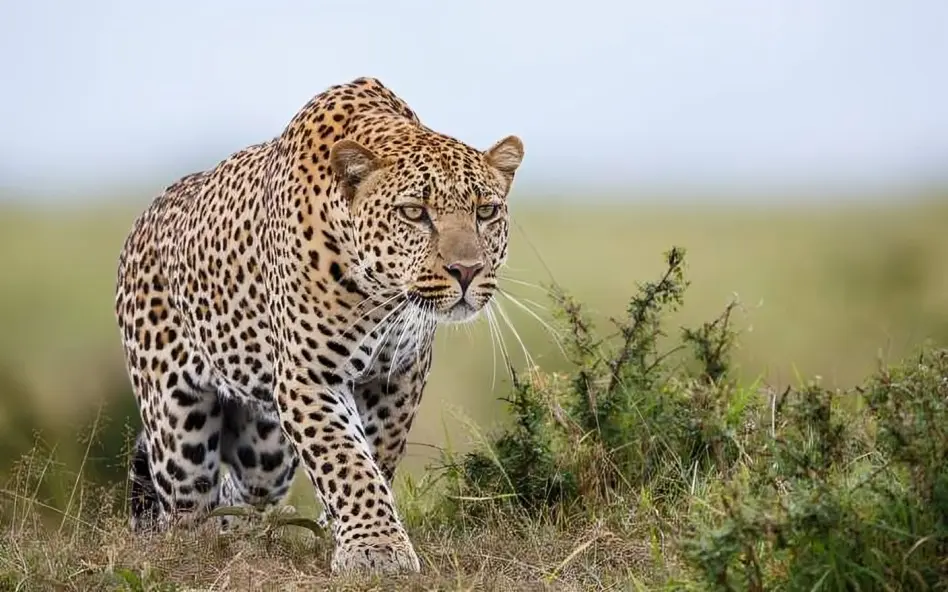
In the dry months, grass thins out and rivers and waterholes shrink. Animals gather near the water that remains, so game drives find elephants, buffalo and big cats faster. Short grass also gives clearer sightlines, which helps most when you are searching for a leopard or a lion pride.
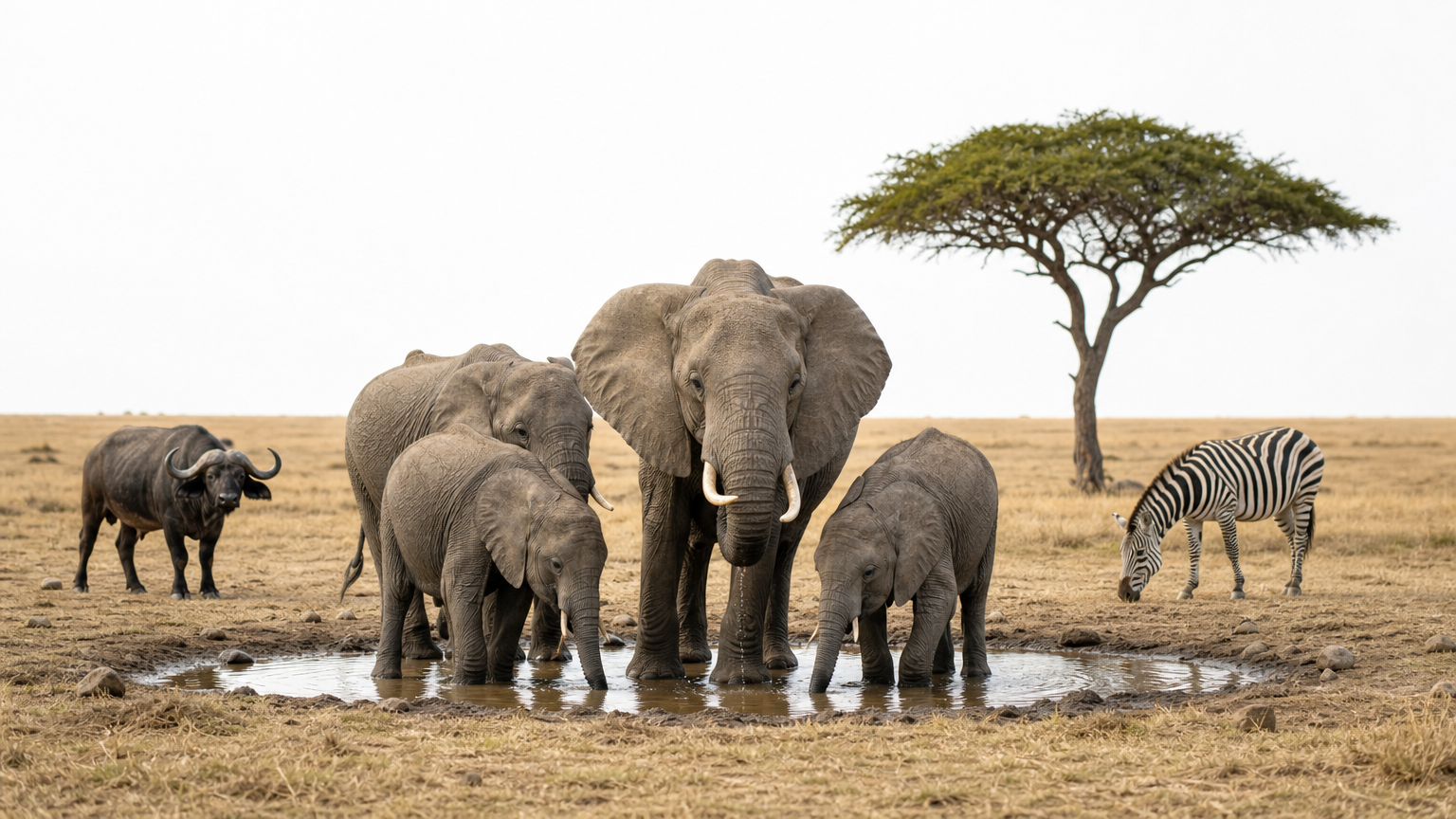
Dry weather brings practical gains too. Tracks stay firm, mosquitoes are fewer, and mornings are cool. That is why most guides call the dry season the best time of year to go on safari in Africa, and why it books up first.
In the dry season, wildlife has fewer places to hide and fewer places to drink, so you see more of it.
Timing also moves price and crowds
Demand follows the weather. Rates and crowds peak in the dry months, and at a busy Mara river crossing you may share the bank with many vehicles. The wet months usually bring lower lodge rates and quieter parks.
For East Africa, this is a rough guide:
- High season: July to October, plus the Christmas to February stretch.
- Shoulder months: June and November.
- Green season: March to May, when the long rains fall.
How to choose the best time for your safari
Choose your month in three steps. Pick the region, name the one experience you care about most, then decide how much crowds and cost matter to you.
Start with the region
Africa has no single safari season. East Africa sits near the equator and has two rainy periods, while southern Africa has one summer rainy season. Use this table to see where the dry months fall.
| Region | Dry, peak game-viewing months | Rainy or green months |
|---|---|---|
| Kenya | Late June to October, January to February | March to May, November to December |
| Northern Tanzania (Serengeti, Ngorongoro) | June to October, January to February | March to May, November to December |
| Southern Africa (South Africa, Botswana, Namibia) | May to September | October to April |
| Uganda and Rwanda (gorilla trekking) | June to September, December to February | March to May, October to November |
Match your destination to its own dry season first, because "best time to visit Africa for safari" means something different in each region.
Then match the month to your goal
Once the region is fixed, your main wildlife goal narrows the choice further:
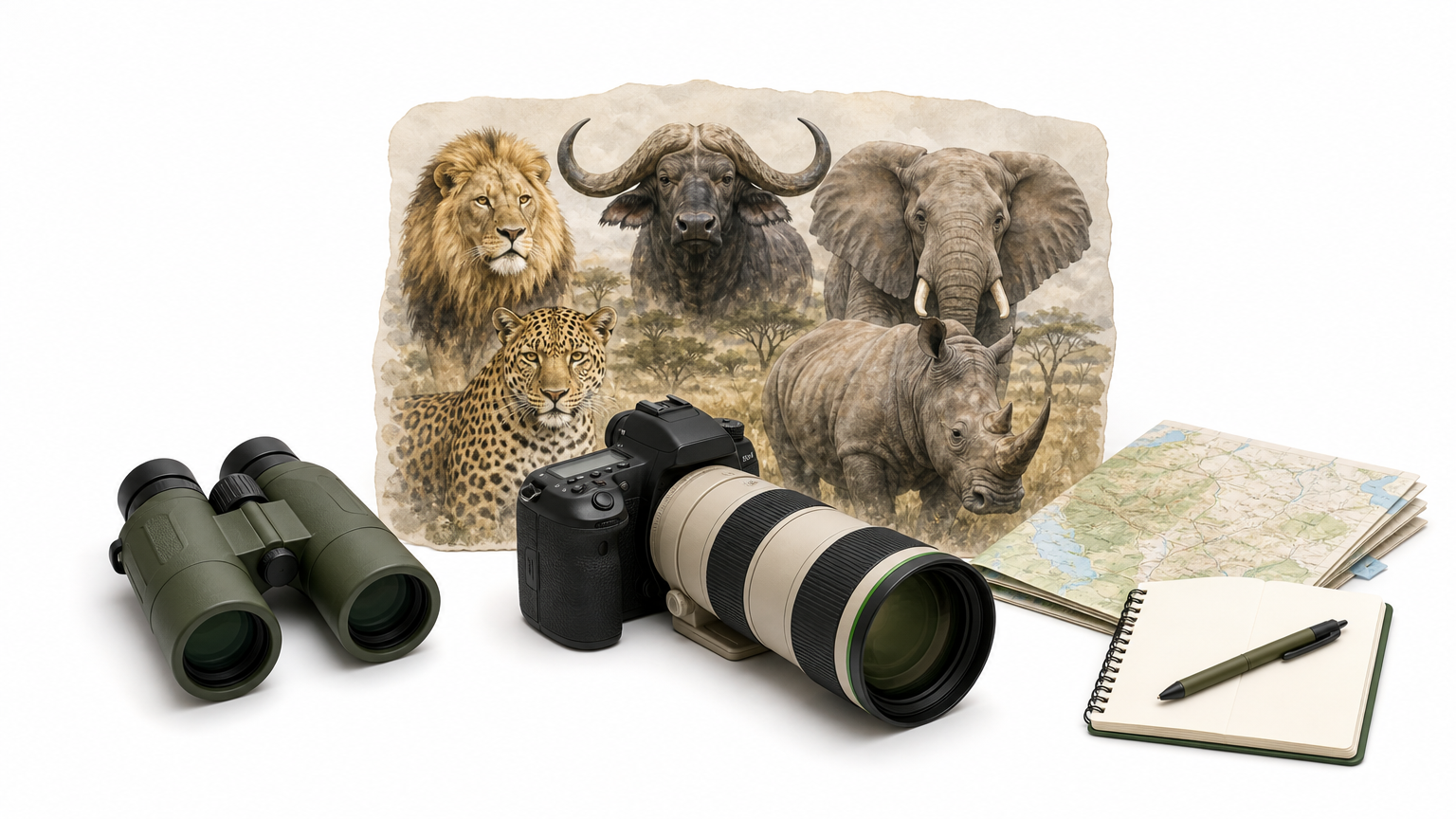
- Maximum big cat and general game viewing: July to October in East Africa.
- Mara River crossings: late July to September.
- Wildebeest calving and predators: February in the southern Serengeti.
- Fewer vehicles with good weather: January to February or June.
- Birding: November to April, when migratory species are present.
- Amboseli elephants with Kilimanjaro views: the drier months, when cloud is less likely to hide the mountain.
- Gorilla trekking: trekking runs all year, but the drier months make trails easier.
A worked example
Take a couple flying from the US who want to see the river crossings. They should target late July to September and book several months ahead. A trip like our 9-Day Ultimate Kenya and Tanzania Safari Experience, from $3,429, covers the Serengeti, Ngorongoro, the Masai Mara and migration country in one private journey.
Now take a family with only a few days and a tight budget. A short trip such as our 3 Days Amboseli National Park Safari, from $609, works well in January, February or June, when skies are usually clearer. Prices are from-prices, and the final quote depends on your dates and accommodation level.
When to see the Great Migration month by month
The Great Migration is a year-round loop of more than a million wildebeest, along with zebra and gazelle, following rain and fresh grass between the Serengeti and the Masai Mara. The herds are never in one place all year, so the right month depends on the scene you want.
Where the herds are by month
| Months | Where the herds are | What you can expect |
|---|---|---|
| December to March | Southern Serengeti and Ndutu | Calving season, with the peak around February and predators hunting newborns |
| April to May | Central and western Serengeti | Long rains, herds moving north-west, very few visitors |
| June to July | Western Serengeti, heading north | Early river crossings, herds building up toward the north |
| July to October | Northern Serengeti and Masai Mara | Mara River crossings, usually most dramatic in August and September |
| October to November | Leaving the Mara, moving south | Herds thin out in Kenya and drift back toward Tanzania |
Why crossings cannot be booked to the day
The herds follow rain and grass, not a calendar. The timing of arrivals and crossings shifts by a couple of weeks each year, and a herd can gather at a river for days before it crosses. Plan at least three nights in the Mara to improve your odds, and stay flexible about which bank you watch from.
Book the season, not the day: crossings are a probability, and more nights in the right place raise it.
Is the rainy season really the worst time to visit Africa?
No, the rainy season is a trade-off rather than a mistake. It is the worst time for some goals and a smart choice for others, so judge it against what you want from the trip.
What the green season gives you
Landscapes turn lush, lodges drop their rates, and parks feel almost private. Newborn animals appear, from wildebeest calves in the southern Serengeti early in the year to impala lambs in southern Africa around November and December. Migratory birds arrive in East Africa, which suits birders and photographers who prefer soft light and dramatic skies. Rain often falls in the afternoon, leaving mornings usable.
What it costs you
Thick vegetation makes animals harder to spot, and muddy tracks can slow drives or limit access to some areas. Some camps close in the heaviest rain, and Kilimanjaro is often under cloud. For a first-time safari, April and May in East Africa are the toughest months if your priority is seeing as many species as possible.
If you want guaranteed sightings, avoid the long rains. If you want value and quiet, they are worth a look.
Pick your month, then build the trip
The best time for an African safari is the dry season in the region you choose, adjusted for your wildlife goal. In East Africa that usually means July to October, with January and February as a quieter alternative. In southern Africa it means May to September. The migration, the gorillas and the green season each reward a different month.
Once you know your month, the rest is matching parks, lodges and pace to it. If you want help turning your dates into an itinerary, share your travel dates and interests with our team and we will reply with a tailored plan and quote within 24 hours.