
 中文
 عربي
 Français
 Nederlands
 Deutsch
 Italiano
 Português
 Español
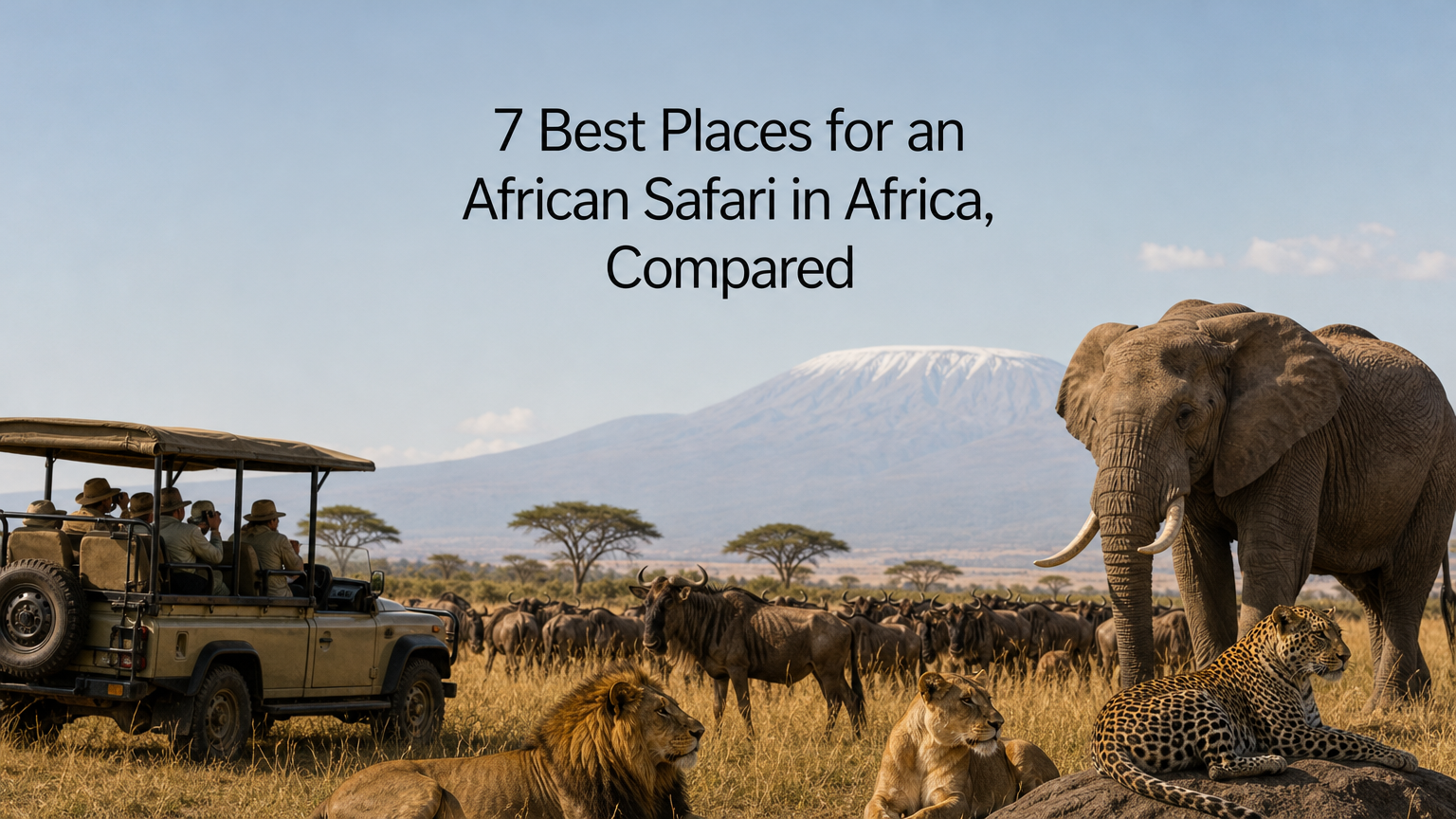
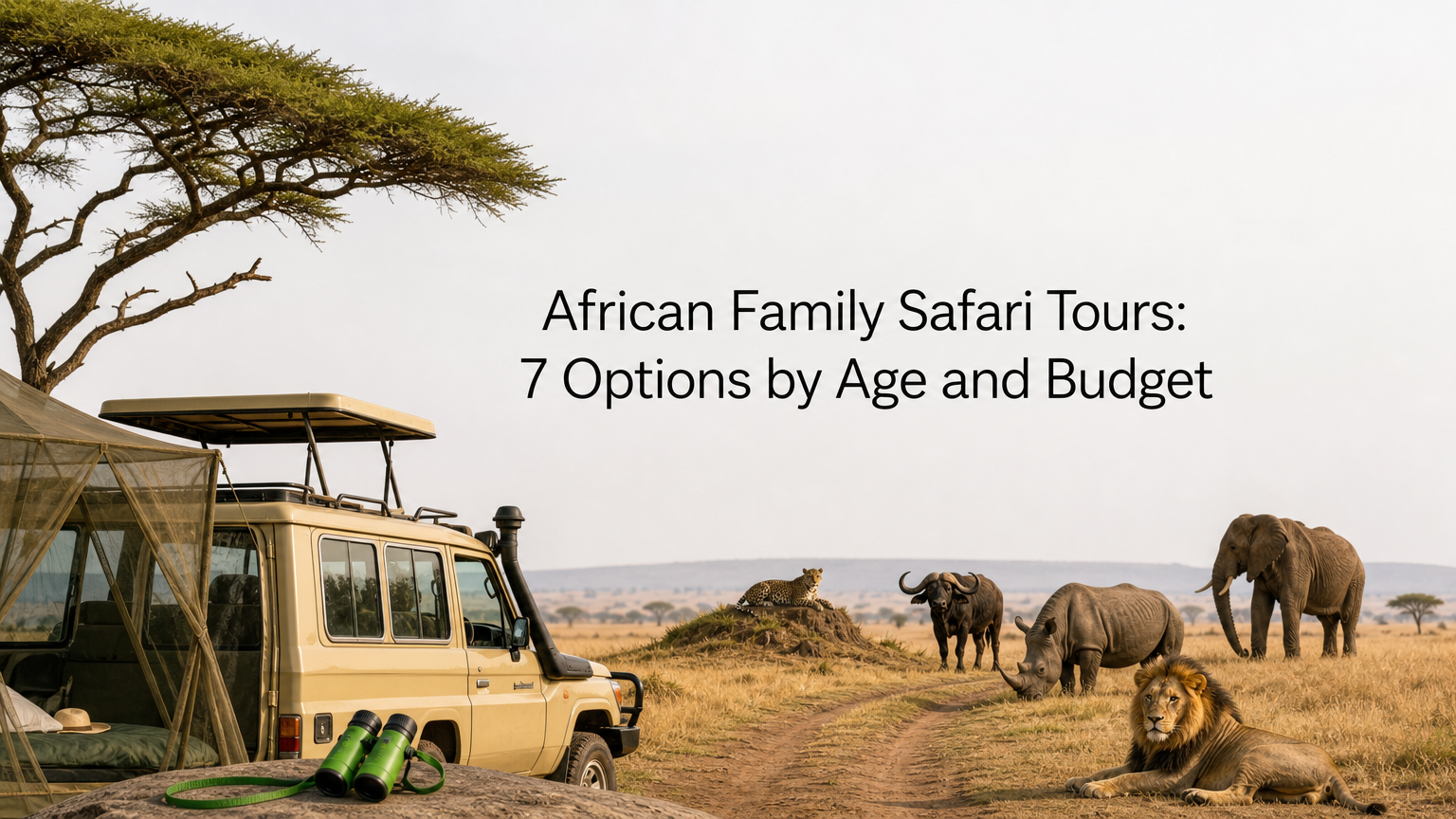
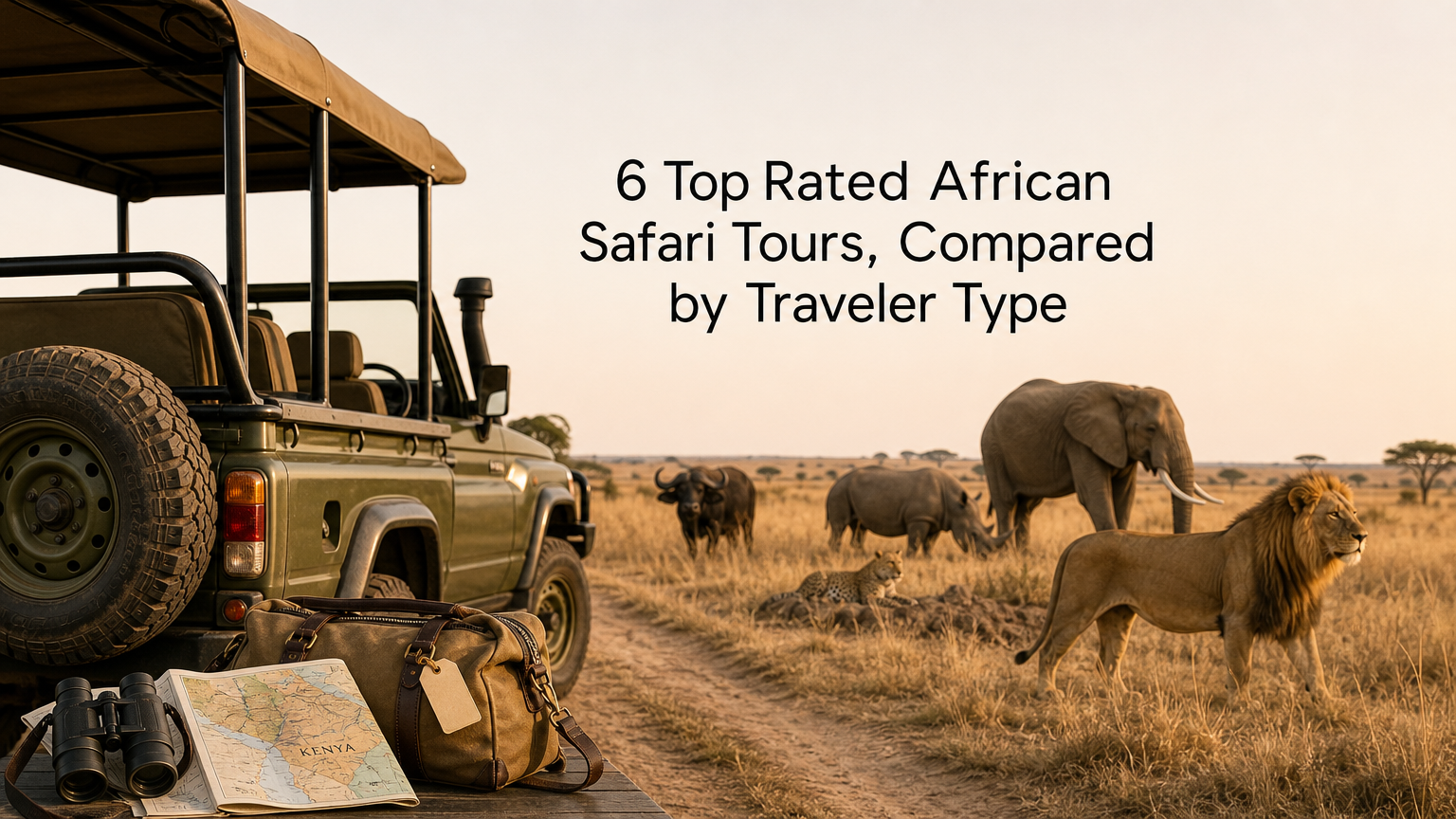
The best African safari in Africa is the one that fits your time, your budget and the animals you most want to see. For the Great Migration and the widest choice of trips, start with the Masai Mara and the Serengeti. For elephants and Kilimanjaro views on a short schedule, pick Amboseli. For self-drive freedom, choose Kruger. For elephants from a boat, go to Chobe. For gorillas, head to Rwanda or Uganda.
Africa has 54 countries, and only some of them offer dependable wildlife viewing. Every operator promises a trip of a lifetime, prices run from about $600 to well over $10,000, and the wrong month can leave you with mud, dust or empty plains.
This guide covers seven destinations, each with the same breakdown: what you see, when to go, and who it suits. We are Extra Miles Unique Adventures, a Nairobi-based tour operator since 2007, so East Africa gets our firsthand detail. After the list you get a cost table and a checklist for choosing an operator.
1. Masai Mara, Kenya
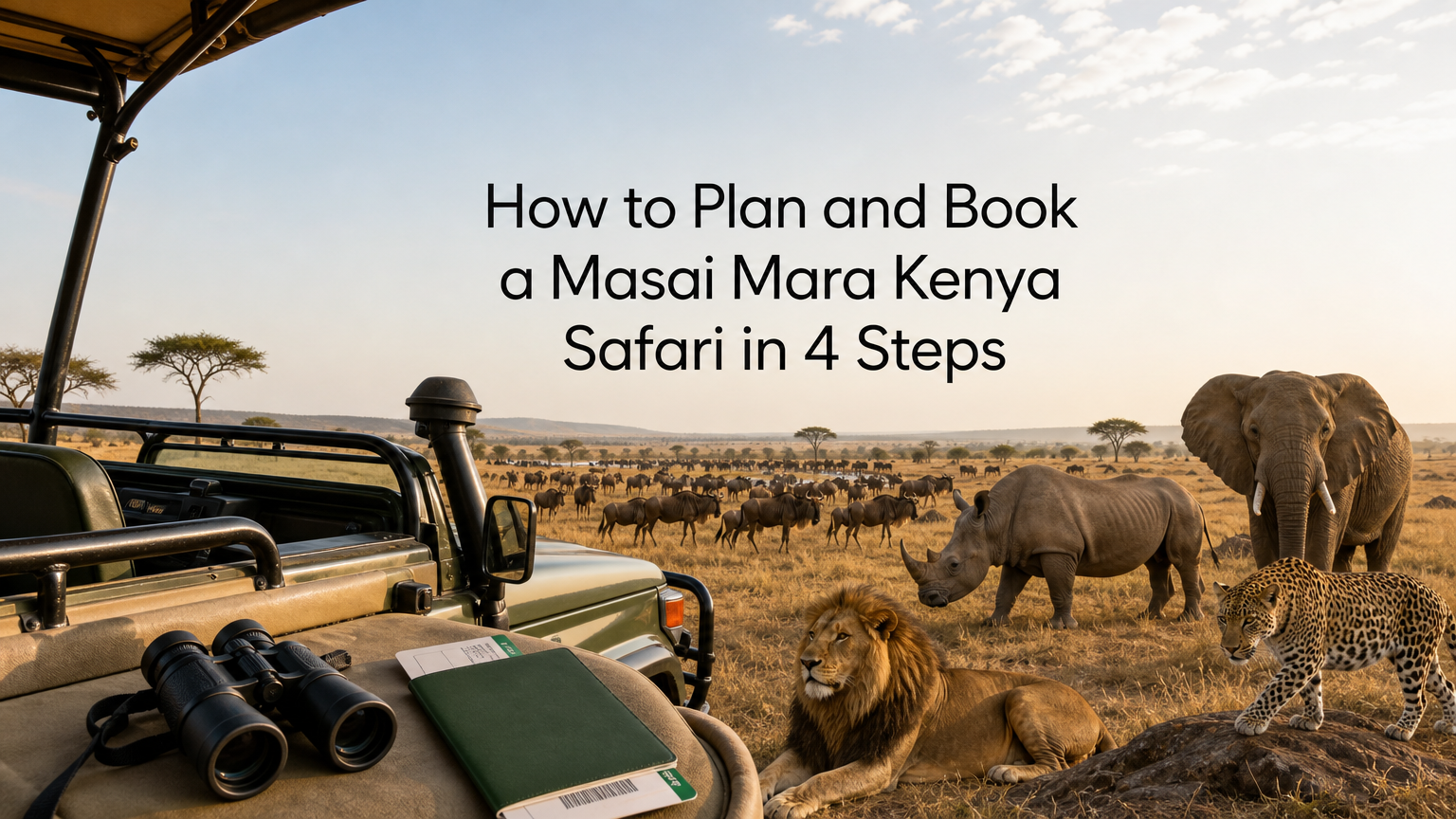
The Masai Mara is the best all-round choice for a first African safari: dense predator numbers, open plains that make animals easy to spot, and a short transfer from Nairobi. It is also where the Mara River crossings of the Great Migration happen.
What you will see
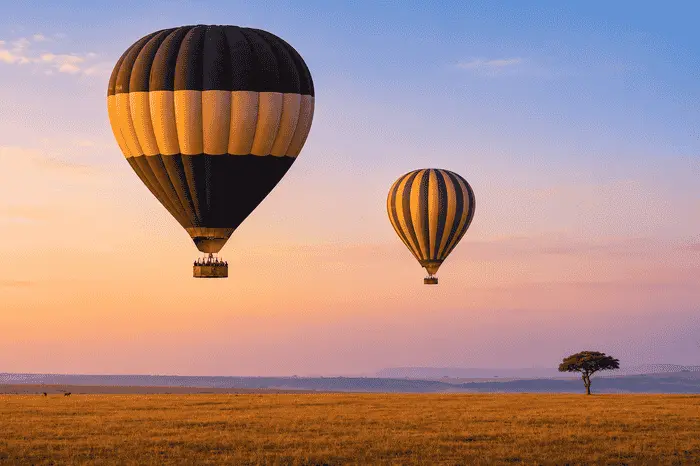
Expect lions, leopards, cheetahs and elephants year-round, plus giraffes, hippos and Nile crocodiles in the Mara River. From roughly July, herds of wildebeest and zebra arrive from the Serengeti, which shares the same ecosystem across the Tanzanian border.
Gently rolling terrain with scattered acacia gives you clear sight lines, so photographers get open frames. Most game drives run in the Central Plains or along the river in the Mara Triangle.
Best time to go
The dry months from June to October give the best game viewing, and river crossings usually fall between July and September. Nobody can promise a crossing on a given day, so book at least three nights.
- July to September: herds present, highest rates, most vehicles.
- January and February: fewer visitors and still good predator action.
- April and May long rains: lush scenery and lower rates, with some muddy tracks.
Book three nights or more in the Mara, because river crossings cannot be scheduled.
Who it suits and how to get there
Choose the Mara if this is your first safari, if you want the migration, or if you have only four to seven days. You can fly from Nairobi in about an hour or drive in roughly five to six hours, with rougher roads near the reserve.
Our Masai Mara safari is a private trip built around your dates and pace. The 6-Day Kenya Big Five Express Safari from $1,378 links Amboseli, Lake Nakuru and the Mara, and the 7-Day Exploring Magical Kenya Safari from $1,932 adds Lake Naivasha. On a tight budget, our budget Masai Mara group safari shares one vehicle and guide with other travelers, which suits people for whom lions matter more than comfort.
2. Serengeti National Park, Tanzania
The Serengeti is the best pick for sheer scale: about 5,700 square miles of plains where the migration is always somewhere in the ecosystem. The name comes from a Maasai word for endless plain.
What you will see
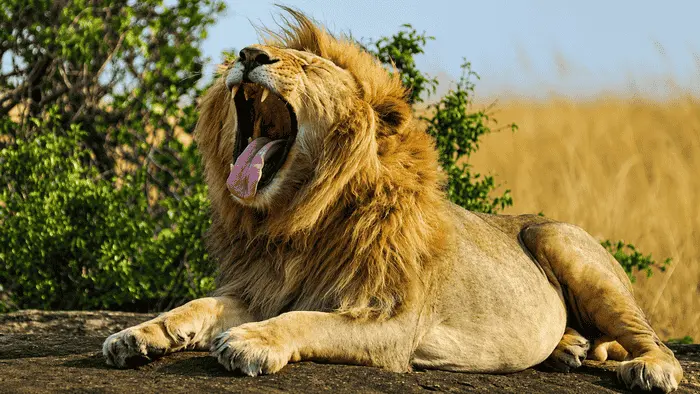
Huge herds of wildebeest and zebra define the park, with lions, leopards, cheetahs and a long bird list around them. The park has three distinct regions: the southern and central plains, the Western Corridor along the Grumeti River, and the hillier north that runs up to the Mara River.
Because the herds move in a loop through the year, where you sleep matters as much as when you go. A good operator places you in the sector where the animals are on your dates, not in the same camp every month.
Best time to go
Timing changes the whole Serengeti trip, so decide what you want to see first. The migration and calving each favor a different part of the park.
- June to October: dry season, the busiest months, with strong big-cat action and plenty of dust.
- January and February: calving season on the southern and central plains, with thousands of wildebeest born each day.
- March to May: the rainiest months, with the best deals and the fewest visitors.
In the Serengeti, pick your month by the event you want, then pick your camp by where that event is.
Who it suits and how to get there
Pick the Serengeti if you have at least a week and want Tanzania's open-plains scale. Most trips start in Arusha, followed by a long drive or a short flight to an airstrip in the park, and the Serengeti is usually combined with the Ngorongoro Crater.
We pair it with the Mara in two itineraries: the 8-Day Magical Kenya & Tanzania Safari from $2,711 and the 9-Day Ultimate Kenya and Tanzania Safari Experience from $3,429. The 9-day trip is built around the Great Wildebeest Migration. Our Tanzania destinations page lists the rest of what we cover there.
3. Ngorongoro Crater, Tanzania
Ngorongoro Crater is the best place to see a lot of wildlife in a single day. This collapsed volcano is 2,000 feet deep, and its 100-square-mile floor holds grassland, bush, forest and a central salt lake.
What you will see
Lions, elephants, hippos, zebra and wildebeest are all common on the floor, and the crater shelters a small population of endangered black rhinos, a rare treat. Most animals stay inside because the floor offers everything they need.
Giraffes are the notable absence. The steep walls and the lack of acacia trees on the floor keep them out.
Best time to go
The dry months of June to September give the best wildlife viewing and the most vehicles on the crater floor. For fewer crowds, aim for the end of the rains in April and May.
- November to May: wet and green, with slicker tracks.
- June to September: dry, best viewing, busiest.
- All year: the rim is high, so mornings are cold. Pack a warm layer and a rain jacket.
Go in the dry season if animal density is your priority, and at the end of the rains if you hate crowds.
Who it suits and how to get there
There is nowhere to stay on the crater floor. Lodges and campsites sit on the rim, and you descend in a 4x4 for a half or full day. The drive from Arusha takes about three hours.
It suits anyone already visiting the Serengeti, plus travelers who want one standout day with big animal numbers. Our Grand East African Luxury Safari, 10 days from $5,405, visits the Mara, the Serengeti and the Ngorongoro Crater in a pop-up roof Land Cruiser, which gives you more time in each place.
4. Amboseli National Park, Kenya
Amboseli is the best short African safari for elephants, with Mount Kilimanjaro rising behind the herds. It is close enough to Nairobi for a three-day trip.
What you will see
Big elephant herds are the headline, walking across flat, open plains with the mountain as a backdrop. Buffalo, giraffe and zebra share the park, and the swamps draw many birds.
Kilimanjaro sits in Tanzania, but Amboseli is one of the best places to see it from Kenya. Cloud often covers the peak by midday, so schedule early-morning and late-afternoon drives for the clearest views.
Best time to go
Dry weather gives the clearest mountain and the easiest game viewing. June to October is the main dry window, and January and February offer a shorter one.
- June to October: dry and dusty, with good views and wildlife around water.
- January and February: a short dry spell with fewer visitors.
- April, May and November: rains, greener scenery and more cloud on the mountain.
Amboseli rewards early risers, because the mountain is clearest at dawn.
Who it suits and how to get there
Amboseli suits travelers with limited time, photographers, and first-timers testing whether safari is for them. It is roughly four to five hours by road from Nairobi.
Our 3 Days Amboseli National Park Safari starts from $609 for two nights, with meals included and a flexible pace. If you want more variety, the 4-day Amboseli and Tsavo West safari adds a second park, and many travelers pair Amboseli with the Mara.
5. Kruger National Park, South Africa
Kruger is the best choice for a self-drive safari and for first-timers who want easy logistics. It covers more than 7,500 square miles, which makes it one of Africa's largest game parks.
What you will see
All of the Big Five live here, plus hyenas, giraffes and, with luck, African wild dogs. The landscape is relatively flat with thorny acacia and denser bush, so animals hide more than on the open East African plains.
Public roads restrict you to marked tracks. Private concessions inside the park allow off-road driving and fewer vehicles, which changes the experience a lot. Sightings take patience in either case.
Best time to go
Winter, roughly May to September, is the best window because the bush thins and animals gather at waterholes and rivers.
- May to September: dry, mild days, easiest sightings.
- April, early May and September: mild temperatures between seasons.
- Summer, roughly October to March: hot, green and thick with vegetation, so sightings are harder.
Kruger's dry winter makes sightings easier because the animals have to come to the water.
Who it suits and how to get there
Kruger suits families and independent travelers who like driving themselves, and it is one of the more affordable ways to see the Big Five. Flights reach Kruger Mpumalanga International Airport or Skukuza, or you can drive from Johannesburg in four to five hours.
Our focus is East Africa. If you want both regions in one trip, book the legs separately and leave a buffer day for international flights.
6. Chobe National Park, Botswana
Chobe is the best place for elephants up close, with boat safaris on the river as well as drives on land. The park covers 4,500 square miles in northern Botswana and was the country's first national park.
What you will see
Elephants dominate, and some estimates put the population near 50,000, the largest on the continent. You will also see hippos, lions and plenty of birds, and boat cruises on the Chobe River bring you level with swimming elephants.
The park has three zones, all built around water: the Chobe riverfront in the northeast, the Savuti Marsh in the west and the Linyanti Marsh in the northwest. Most visitors spend their time on the riverfront.
Best time to go
May to October is the dry season, and dry months concentrate animals along the river, which makes sightings frequent and easy.
Outside those months the rains scatter the animals across the park and sightings take more effort, though the scenery is greener.
Chobe works best when the dry season pushes every animal toward the river.
Who it suits and how to get there
Chobe suits elephant lovers and travelers pairing a safari with Victoria Falls, which is about 50 miles from Kasane, roughly an hour's drive. Fly into Kasane, and the riverfront entrance is just 3 miles from town.
Plan on a higher budget. Botswana is among the pricier safari countries, and the country aims at the luxury end of the market, so the same number of nights usually costs more than in Kenya or Tanzania.
7. Gorilla trekking in Rwanda and Uganda
Gorilla trekking is the best add-on when you want primates alongside the Big Five, or instead of them. You find mountain gorillas in Volcanoes National Park in Rwanda and Bwindi Impenetrable National Park in Uganda.
What you will see
You walk through steep forest with a guide and trackers until you reach a gorilla family. The trek can take under an hour or most of a day, and time with the animals on a standard permit is limited to about an hour.
Uganda adds more wildlife. Queen Elizabeth National Park is known for chimpanzees and tree-climbing lions, so a Uganda trip can mix primates with classic game viewing.
Best time to go
Drier months make the steep trails easier, though rain can fall at any time in a rainforest, so waterproof layers matter more than the calendar.
- Best windows: June to September and December to February.
- Minimum age for trekking: 15.
- Pack: sturdy waterproof boots, gloves and long sleeves, and consider hiring a porter.
Treat the gorilla permit as the first thing you book, because the number of permits per day is limited.
Who it suits and how to get there
Fit travelers who like hiking get the most from it, as do people who want a trip that mixes safari and primates. Permits are limited each day and make up a large share of the cost, so ask for the permit price listed separately from the rest of the trip.
We build Rwanda and Uganda extensions into private Kenya and Tanzania itineraries. See our Rwanda and Uganda destination pages, then ask for a quote that adds gorillas to the end of a Mara or Serengeti trip.
How to compare costs and choose an operator
A good African safari package is priced by the day, written out in full and planned by someone who knows the parks. Use the cost table, the operator checklist and the booking checks below.
What an African safari costs
Four things drive the price: trip length, the country, the lodge tier, and whether you share a vehicle. Park fees, meals and flights may or may not be included, so compare like with like. Here are our own starting prices, with the daily rate worked out so you can compare trips of different lengths.
| Trip | Days | From price | From price per day |
|---|---|---|---|
| 3 Days Amboseli National Park Safari | 3 | $609 | $203 |
| 6-Day Kenya Big Five Express Safari | 6 | $1,378 | $230 |
| 7-Day Exploring Magical Kenya Safari | 7 | $1,932 | $276 |
| 8-Day Kenya Classic Wildlife & Birding Safari | 8 | $2,405 | $301 |
| 8-Day Magical Kenya & Tanzania Safari | 8 | $2,711 | $339 |
| 9-Day Ultimate Kenya and Tanzania Safari Experience | 9 | $3,429 | $381 |
| The Grand East African Luxury Safari | 10 | $5,405 | $541 |
Starting prices come from our package pages, and your quote moves with season, group size and lodge tier.
Take a worked example. The 7-Day Exploring Magical Kenya Safari starts at $1,932, or $276 a day. The 9-Day Ultimate Kenya and Tanzania Safari Experience starts at $3,429, or $381 a day. The gap is $1,497 for two extra days plus the Serengeti and Ngorongoro, which works out to about $105 more per day.
High-end operators advertise itineraries from around $12,000 and well past $40,000 per person, so a price on its own tells you little about value.
Compare safari packages by cost per day and by what is included, not by the headline price.
How to choose an operator
Ask every operator the same questions, and compare the written answers. Vague replies at the quote stage tend to turn into vague service on the ground.
- A day-by-day itinerary that marks park fees, meals, transfers and flights as included or not.
- The number of guests per vehicle, and whether each guest gets a window seat.
- Named local guides and an office in the destination country.
- Cancellation terms in writing.
- A real person you can reach on WhatsApp or email.
For reference, Extra Miles Unique Adventures has planned private safaris from Nairobi since 2007, replies to enquiries within 24 hours and holds a 5.0 rating on Google from verified guests. Ask any operator, us included, for the same proof.
Practical checks before you book
Book six to nine months ahead for July to September and for gorilla permits. Check passport validity, entry rules for each country, and your government's current travel advisory.
Speak to a travel clinic about malaria prevention and yellow fever requirements. Pack neutral tones such as khaki, green and beige. Red is not banned, but dark blue and black attract tsetse flies in some parks.
Choose your safari, then plan it
The right African safari depends on what you want to see. Pick the Masai Mara and Serengeti for the migration, Ngorongoro for animal density, Amboseli for a short elephant trip, Kruger for self-drive, Chobe for elephants from a boat, and Rwanda or Uganda for gorillas. Match the month to the event, and compare packages by cost per day.
If East Africa is your pick, we can turn your dates, group size and budget into a private itinerary with a clear quote. Request a tailored safari itinerary and quote and tell us which of these seven places you want to see first.