When Tourists and Travelers think of Kenya, iconic images of sweeping savannahs, the Great Migration, and the Big Five often come to mind as Africa’s best destination, such as the Masai Mara National Reserve, Amboseli National Park, the only Park with proximity to the City, the Nairobi National Park, among others. Beyond these world-famous wildlife lies another equally powerful attraction—Kenya’s rich and diverse cultural heritage. Cultural tourism in Kenya offers global travelers an opportunity to connect deeply with people, traditions, history, and ways of life that have endured for centuries.
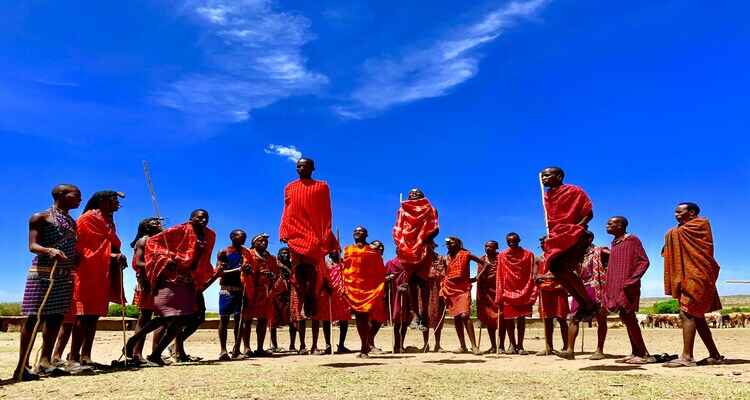
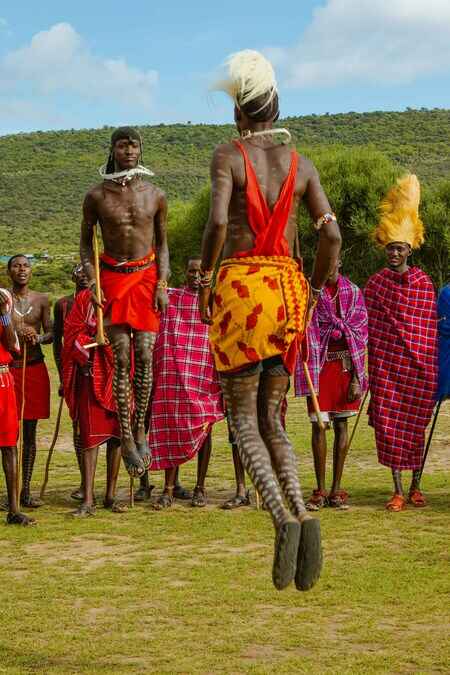
Cultural tourism focuses on experiencing the living traditions, heritage, arts, beliefs, and daily life of local communities. In Kenya, this means engaging with over 40 distinct ethnic groups led by the popular Maasai Traditions, each with its own language, customs, cuisine, architecture, and storytelling traditions. Rather than simply observing, travelers are invited to participate, learn, and exchange.
Kenya’s Cultural Diversity
A Living Mosaic Kenya’s cultural identity is shaped by its many communities, 40+ identified through a cluster of Bantus, Nilotes, and Cushites. This includes the Maasai, known for preserving their traditions and culture across Kenya’s major Parks, Samburu, Turkana, Kikuyu, Dholuo, along Lake Victoria basin as well as the 18 sub tribes of Luhya, believed to have been led by the popular Kingship Nabongo Mumia from Abawanga.
Visitors can: • Join traditional dances and ceremonies • Learn beadwork, weaving, and wood carving • Hear oral histories passed down through generations • Experience traditional homesteads and indigenous architecture Each interaction tells a story of resilience, identity, and pride.
Coastal Heritage: Where Africa Meets the Arab World
Along Kenya’s Indian Ocean coast lies a unique cultural blend shaped by centuries of trade. The Swahili culture—influenced by African, Arab, Persian, and Indian traditions—is best experienced in Lamu, a UNESCO World Heritage Site. Here, travelers can: • Walk through centuries-old stone towns • Sail traditional dhows at sunset • Taste Swahili cuisine infused with spices • Explore historic landmarks like Fort Jesus This coastal heritage offers global visitors a cultural experience unlike anywhere else in Africa.
Cultural Festivals and Events Kenya’s festivals celebrate unity through diversity. Events such as the Lake Turkana Cultural Festival and the Lamu Cultural Festival bring together music, dance, fashion, storytelling, and cuisine. These festivals allow travelers to experience culture at its most vibrant and joyful.
Cultural Festivals and Events
Kenya’s festivals celebrate unity through diversity. Events such as the Lake Turkana Cultural Festival and the Lamu Cultural Festival bring together music, dance, fashion, storytelling, and cuisine. These festivals allow travelers to experience culture at its most vibrant and joyful.
Why Cultural Tourism Matters Cultural tourism is not only enriching for travelers—it is transformative for communities. Responsible cultural travel: • Preserves endangered traditions • Supports local livelihoods • Empowers women and youth • Encourages cross-cultural understanding For global travelers seeking authentic, responsible, and meaningful experiences, cultural tourism in Kenya offers a powerful alternative to conventional sightseeing.
Cultural Tourism with Extra Miles Unique Adventures
At Extra Miles Unique Adventures, we curate immersive cultural journeys that go beyond surface-level visits. Request a Private Safari.